
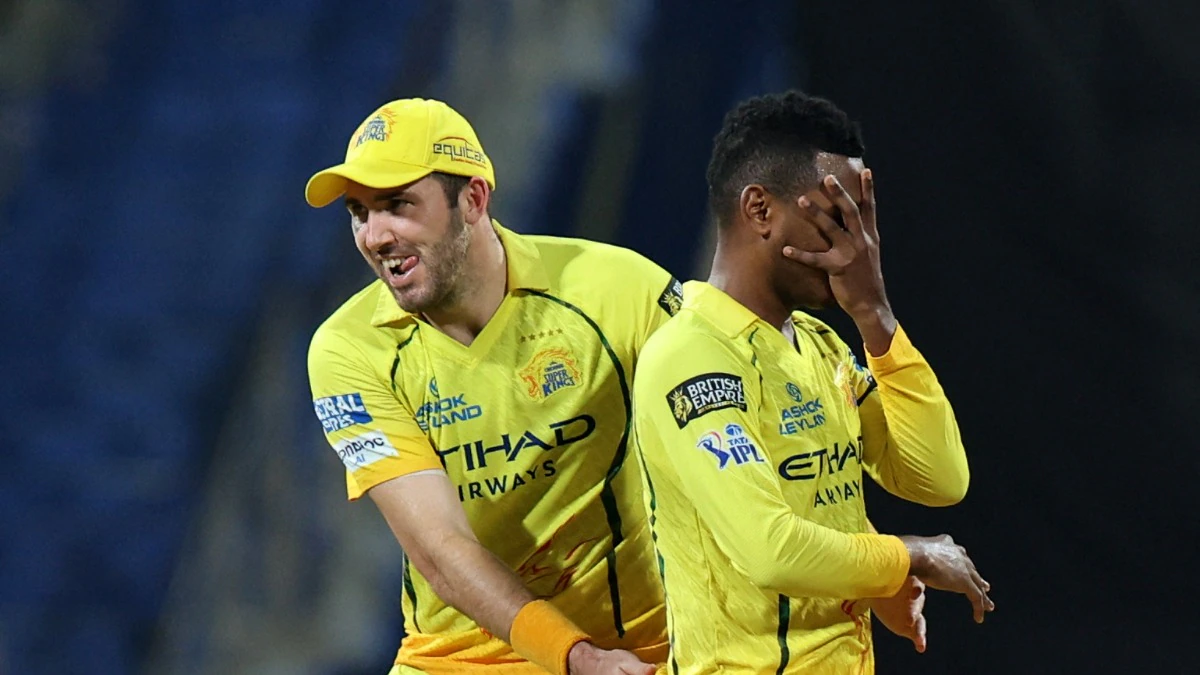
The IPL rivalry between Chennai Super Kings and Mumbai Indians has always carried massive betting volume, but the May 2, 2026 clash at Chepauk delivered something even sharper for sportsbook users and live bettors. Chennai Super Kings outplayed Mumbai Indians in almost every phase of the game, and the match became a textbook example of how momentum swings, pitch conditions, and live odds movement can completely reshape betting strategy during a high-pressure IPL contest.
For punters tracking IPL betting trends on platforms like funny exchange, this match was one of the clearest demonstrations of why pre-match reputation alone is dangerous in T20 betting. Mumbai entered the game with strong market backing because of their star power, but CSK’s tactical execution exposed several weaknesses in MI’s middle order and bowling rotation.
CSK vs MI IPL 2026 Final Score
Match Result
- Chennai Super Kings: 160/2 in 18.1 overs
- Mumbai Indians: 159/7 in 20 overs
- Chennai Super Kings won by 8 wickets
Key Performers
- Ruturaj Gaikwad – 67* off 48
- Kartik Sharma – 54* off 40
- Naman Dhir – 57 for MI
- Anshul Kamboj – crucial wickets with disciplined bowling
- Noor Ahmad – middle-over control
How the Match Shifted From a Balanced Contest to a One-Sided Betting Outcome
At the toss, Mumbai Indians chose to bat first at the MA Chidambaram Stadium, expecting the Chepauk pitch to slow down later in the innings. From a betting perspective, that decision initially pushed live odds slightly in Mumbai’s favor because chasing under pressure at Chepauk is traditionally difficult. Early sportsbook markets reflected that assumption.
But the problem for Mumbai was simple: they never accelerated properly.
CSK’s bowling attack understood the surface immediately. Instead of searching aggressively for wickets every ball, Chennai focused on restricting boundary flow and forcing MI’s batters into uncomfortable strike rotation. The pitch offered grip for slower deliveries, and Mumbai’s middle order failed to adapt quickly enough. The innings constantly felt 15 to 20 runs short of a competitive Chepauk total.
For IPL live betting users, the turning point came during the middle overs when Mumbai failed to capitalize after preserving wickets early. Bettors expecting a final score near 185 suddenly saw the projected total collapse toward 155-160, which dramatically shifted in-play odds toward Chennai.
Naman Dhir’s fifty gave Mumbai some late momentum, but experienced bettors watching the innings closely understood the reality: MI had not dominated any phase of the game. They were surviving, not controlling.
Pitch Report and Toss Impact: Why Smart Bettors Read Chepauk Correctly
Chepauk remains one of the most misunderstood betting venues in the IPL. Casual bettors often overvalue dew and blindly support chasing teams, but experienced IPL traders know the surface changes inning by inning depending on pace variation and spin grip.
This pitch was not a high-scoring batting paradise. It rewarded patience, low-risk batting, and intelligent bowling lengths. CSK adapted faster than Mumbai.
The toss gave MI theoretical control, but they misread the scoring template. Instead of building a stable 175+ innings through controlled aggression, they lost rhythm repeatedly during the middle overs. Their inability to attack Noor Ahmad and CSK’s slower-ball combinations reduced boundary frequency significantly.
What this really means for sportsbook bettors is that venue-based betting strategy mattered more than team reputation in this match. Many casual punters backed Mumbai because of historical rivalry hype, while sharper bettors focused on Chennai’s superior suitability for Chepauk conditions.
That difference became obvious during the chase.
Ruturaj Gaikwad’s Captaincy Changed the Entire Match
Ruturaj Gaikwad produced one of the most controlled innings of IPL 2026. His unbeaten 67 was not explosive in the traditional T20 sense, but from a betting analysis perspective, it destroyed Mumbai’s live comeback chances.
He absorbed pressure early, rotated strike consistently, and prevented betting volatility from swinging back toward MI. That matters because sportsbooks rely heavily on wicket probability during run chases. Once Gaikwad settled, Mumbai’s wicket-taking options became limited.
The partnership with Kartik Sharma completely killed MI’s momentum.
Kartik Sharma’s innings was especially important for live betting markets because he attacked exactly when required. Several overs that looked likely to produce 6-7 runs suddenly turned into 12-14 run overs, causing rapid odds collapse for Mumbai-backed bettors. His assault against spin in the later overs effectively ended the contest before the finishing moment officially arrived.
The Biggest Betting Turning Points of CSK vs MI
MI’s Slow Middle Overs
Mumbai failed to attack during overs 8-15, which reduced projected totals significantly. Betting exchanges reacted quickly, and odds started drifting toward CSK even before the innings break.
CSK’s Powerplay Stability
Unlike Mumbai, Chennai did not lose momentum after the powerplay. Early wicket preservation stabilized chase probability models immediately.
Bumrah’s Quiet Spell
Many live bettors expected Jasprit Bumrah to trigger a collapse during the chase. But CSK handled him calmly, and once that spell passed without breakthroughs, Mumbai’s live odds crashed heavily.
Kartik Sharma’s Counterattack
This was the knockout phase for sportsbook markets. His aggressive strokeplay against spin and pace variations removed almost all realistic MI comeback scenarios.
A Fairplay ID is a personal login credential that allows users to access their Fairplay account securely. It ensures smooth navigation across the platform, safe transactions, and easy account management. With a Fairplay ID, users can enjoy quick access to features and a more organized, personalized online experience anytime.
How This Match Affected IPL Betting Trends
One major takeaway from this game is that bookmakers and exchange markets continue to overprice legacy franchises based on historical dominance rather than current tactical form.
Mumbai Indians still attract huge betting volume because of brand value and star names, but this match exposed structural issues:
- inconsistent middle-order acceleration
- weak adaptation on slower pitches
- overdependence on individual brilliance
- inability to control partnerships during defense
Meanwhile, Chennai demonstrated why disciplined T20 cricket often beats flashy lineups in betting-heavy IPL games.
On funnyexchange, bettors following data-driven IPL betting strategies rather than emotional team loyalty likely gained strong value from Chennai’s improving odds during MI’s batting innings. This match also reinforced an important trend for IPL 2026: low-risk accumulative batting is outperforming reckless power hitting on slower Indian surfaces.
Live Betting Lessons From CSK vs MI IPL 2026
This match offered several important lessons for serious IPL bettors and sportsbook users:
Never Overreact to Big Team Names
Mumbai’s reputation created inflated market confidence despite poor recent form.
Watch Middle Overs Closely
The real match shifted during overs 7-15, not during the powerplay.
Pitch Reading Beats Public Sentiment
Chepauk rewarded tactical cricket, not aggressive blind hitting.
Partnerships Matter More Than Strike Rates
Gaikwad and Kartik controlled probability through partnership stability rather than reckless acceleration.
Conclusion
CSK’s 8-wicket victory over MI was not just another IPL rivalry result. It was a masterclass in tactical T20 cricket and a major reminder that betting markets can still misjudge momentum, conditions, and team adaptability. Play exchange is the exchange of games or gaming items between players or platforms, allowing users to enjoy new games while saving money.
For sportsbook users, exchange traders, and IPL betting enthusiasts, this match reinforced why disciplined analysis matters more than emotional predictions. Chennai understood the pitch, controlled pressure better, and executed their chase with almost zero panic. Mumbai never fully recovered after posting an underwhelming total.
As IPL 2026 moves deeper toward the playoff race, matches like CSK vs MI will continue shaping betting strategies across casino sportsbooks and exchange platforms. Smart bettors will focus less on hype and more on matchups, conditions, live momentum shifts, and tactical execution — exactly the factors that decided this game at Chepauk.
