
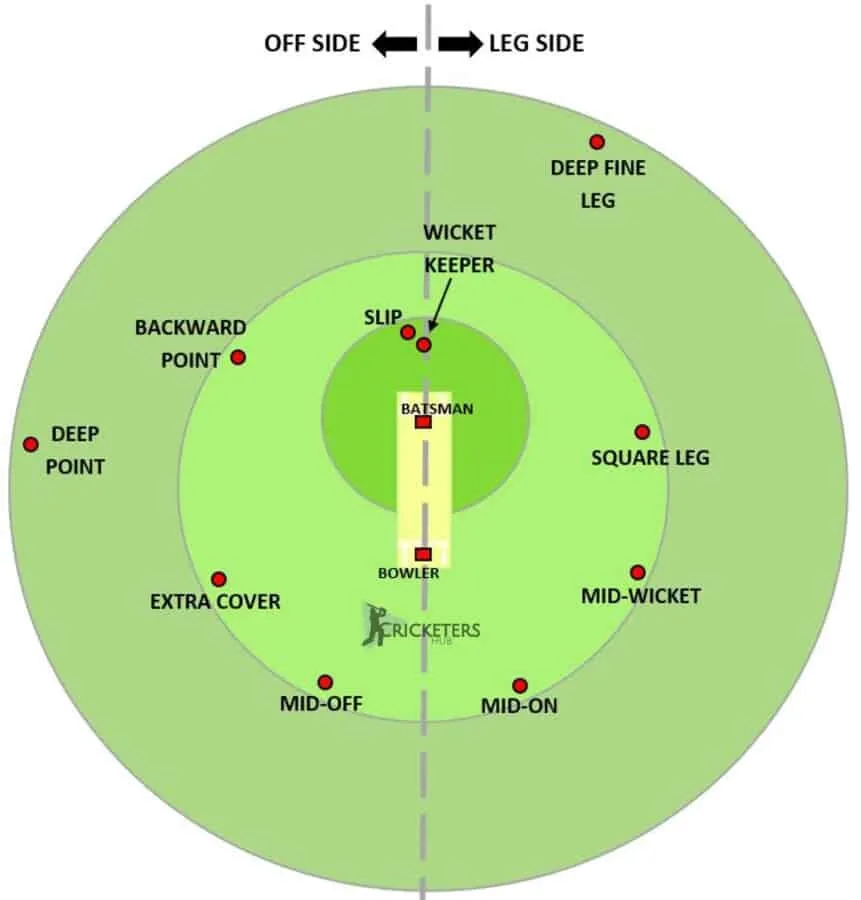
T20 cricket is often described as a batting-heavy format, but its most interesting passages are usually shaped by restrictions and pressure. Captains have only twenty overs to work with, bowlers cannot afford long periods of experimentation and batters know that a quiet spell can push the required rate up quickly.
Two situations show this clearly: the opening fielding restrictions and a tied match that needs a decider. Understanding the t20 powerplay rules gives useful context for the first of those phases because the fielding side cannot position players anywhere it wants.
Why the Powerplay Changes the Opening Overs
During the powerplay, restrictions on boundary fielders create more scoring opportunities in certain areas. Batters often look to take advantage before the field can spread, while bowlers try to find swing, seam or accurate lengths that make attacking shots risky.
This makes it really a choice. If the opening pair gets a good start, it can get a team a few wickets up front or if the first two are lost, the gem of the middle order can be found before they are meant to. The best approach depends on the pitch, target, opposition attack and the strengths of the batting lineup.
Captains Still Have Ways to Attack
Fielding restrictions do not mean the bowling captain has no options. A well-placed ring fielder can turn a likely single into a dot ball and a catcher in the right position may reward a bowler who is challenging the batter.
Bowling changes also matter. Some captains use their best new-ball bowler immediately, while others save an over for a dangerous matchup later in the powerplay. In a short format, holding back resources can be as important as using them early.
Middle Overs Are About Matchups
Once the field spreads, the game changes again. Players can choose to hit a bowler in particular if it’s a shorter boundary or a certain spin combination looks promising. The fielding side counters by changing the pace, angle and field position.
This time can be more silent than the powerplay and can either make or break the batting side’s chances of getting the wicket of the last batsman and going into the final over with enough wickets. A sequence of singles may be useful if it protects a set batter, while a cluster of dot balls can force a risky shot.
Death Overs Bring a Different Kind of Pressure
At the end of an innings, execution becomes extremely visible. Yorkers that miss by a small margin can become full tosses, while slower balls lose their value if the batter reads them early. Batters, meanwhile, may be aiming for boundaries even when the delivery is not ideal.
Teams practise this phase because there is so little time to recover from an error. One over of twenty runs can undo several overs of tight bowling.
What Happens If the Match Finishes Level?
A tied T20 can lead to another compressed contest: the Super Over, depending on the competition’s playing conditions. The super over rules govern how the extra contest is conducted, including who bats, who bowls and how the winner is determined.
Because the entire decider is so short, selection becomes fascinating. Teams may choose their cleanest boundary hitters rather than the batters with the most runs in the main innings. The bowler chosen may be the best death specialist, but conditions and matchups can influence that decision too.
Small Rules Create Big Tactical Effects
Restrictions create the need for choices, and that’s what T20 is all about. Powerplays help to attack the ball but add to the risk of getting out. Field changes affect options for scoring. Bowling limits prevent captains from relying on one bowler throughout the innings. A Super Over, when required, reduces the contest to a tiny number of high-pressure decisions.
Those rules do more than organise the match. They shape the style of cricket spectators actually see.
Conditions can change those choices again. A slow pitch may reward cutters and spin during the middle overs, while a flat surface can push captains toward defensive fields much earlier. Even within the same rules, teams have to read what the ground is offering that day.
Conclusion
T20 is fast, but it is not tactically shallow. The powerplay, middle overs, death overs and possible tie-break situations each demand a different approach and teams have to move between them quickly.
For readers who want to understand the rules behind those tactical shifts, sportsgotec.com provides cricket guides that explain T20 situations in a practical, match-focused way.
